Krav Maga - Self-Protection
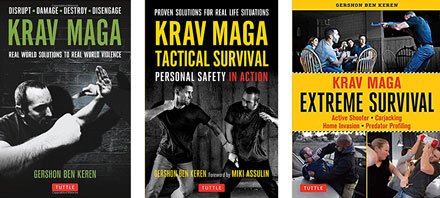
Krav Maga Books By Gershon Ben Keren
Krav Maga Yashir Boston Head Instructor
Krav Maga Yashir - Self-Protection & Personal Safety
For a lot of people, personal safety isn’t something they think about in a structured way. It sits in the background, more of a feeling than a plan. You notice when something feels off, you adjust without really knowing why, and most of the time that’s enough. But there are moments when uncertainty isn’t subtle, when a situation shifts quickly and you’re expected to make a decision without having much time to think. In those moments, confidence doesn’t come from guesswork. It comes from having some level of preparation and training, even if it’s quiet and unspoken.
Self-protection isn’t about expecting the worst or living cautiously. It’s about understanding that not every situation is predictable and having the ability to navigate such encounters and incidents without hesitation. For a generation that moves through a lot of different environments, such as busy cities (like Boston), social spaces, during late nights etc., constant interaction with people you don’t always know well means being aware of what’s going on around you matters. Not in an anxious way, but in a way that keeps you present and responsive, and in control. The difference between feeling unsure and feeling in control often comes down to whether you’ve thought about what you would do before you need to respond to a situation/interaction. If you want to leran these skills and also what to do when a situation becomes physically violent you can register for one of our beginner Krav Maga classes using the button below.
Our next Beginner Krav Maga Class is on
Beginner Class
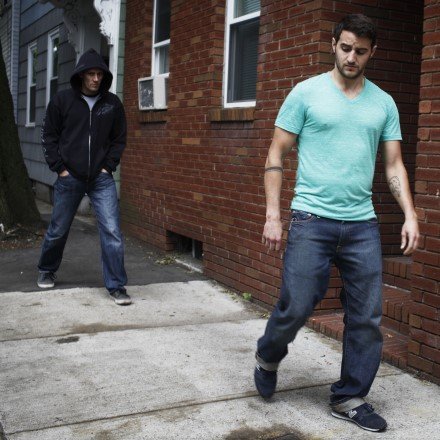
A big part of personal safety is recognizing how situations develop. Most confrontations don’t start with an obvious danger/threat. Rather, they build through small changes indicated by tone, distance, and changes in behavior etc., things that are easy to overlook if you don’t know what you’re trying to identify and you’re not paying attention etc. When you start to notice those shifts earlier, you have more options e.g., you can create space, change direction, change position, and/or defuse the “tension” before it becomes something physical. That ability to read a situation isn’t something you’re born with; it’s something that has to be taught, trained and developed.
There’s also a difference between knowing something in theory and being able to act on it. It’s easy to say you would respond a certain way, but under pressure, people often default to instinct, and if that instinct hasn’t been shaped or practiced, hesitation can take over and you can find yourself freezing. This is where structured training becomes relevant, not because it turns someone into a fighter, but because it gives them a reference point from which to work. Movements, decisions, and responses become more familiar, which makes them easier to access when it counts.
Krav Maga is built around this idea in a way that feels practical rather than extreme. It doesn’t assume you have experience or that you want to spend years learning something complex. The focus is on giving you tools that make sense quickly, and that fit into the way people actually move and react. Training includes how to deal with common situations such as being grabbed, confronted, or socially pressured into behaving in a certain way etc., but it also spends time on what happens before that. Awareness, positioning, and decision-making are just as important as physical techniques.
What tends to change for people over time isn’t just what they can do physically, but how they carry and conduct themselves when in public spaces and when interacting with others. When you feel more prepared, you move differently, you’re less likely to second-guess yourself, and more likely to make clear decisions. That doesn’t mean you’re looking for conflict. If anything, it usually leads to avoiding it more effectively, because you’re not caught off guard in the same way.
Personal safety isn’t about becoming someone else. It’s about adding a layer of capability that stays with you, whether you’re walking home, traveling, or just moving through your day. It doesn’t need to be visible or obvious to have value. In a world where a lot can feel uncertain, having that quiet sense of control can make a meaningful difference. If you are interested in improving your safety and learning how to respond in potentially violent situations and encounters you can sign up for one of our beginner Krav Maga classes using the form below (all classes are held at the location below).